It's time to get ready for hurricane season
For some people, the summer months mean planning a vacation; for others, it's about being ready for the absolute worst. Every year, millions of Americans are left without power or water for days or even weeks in the aftermath of a hurricane.
According to FEMA, 7.4 million people lost electricity after Hurricanes Helene and Milton in 2024, with some communities in the Southeast left without clean water for over 50 days. Colorado State University's Tropical Cyclone Impact Probabilities report predicts fewer named storms this year. Still, it suggests that Florida has a 43% chance of a hurricane, with Texas, North Carolina, Georgia, and Louisiana at around 25% risk.
Being Prepared
The most useful mindset is to prepare for disruption, not just for the storm itself. In many hurricanes, the hardest part is the 3–14 days afterward: no power, limited fuel, contaminated water, patchy mobile service, closed shops, blocked roads, delayed deliveries. If you are based in the southern states, none of this will be news to you, and you probably have all your bases covered, but now is the time to review your supplies and check that you have everything you could need.
A solid hurricane plan usually comes down to five areas: water, food, power, communication, and evacuation.
Water
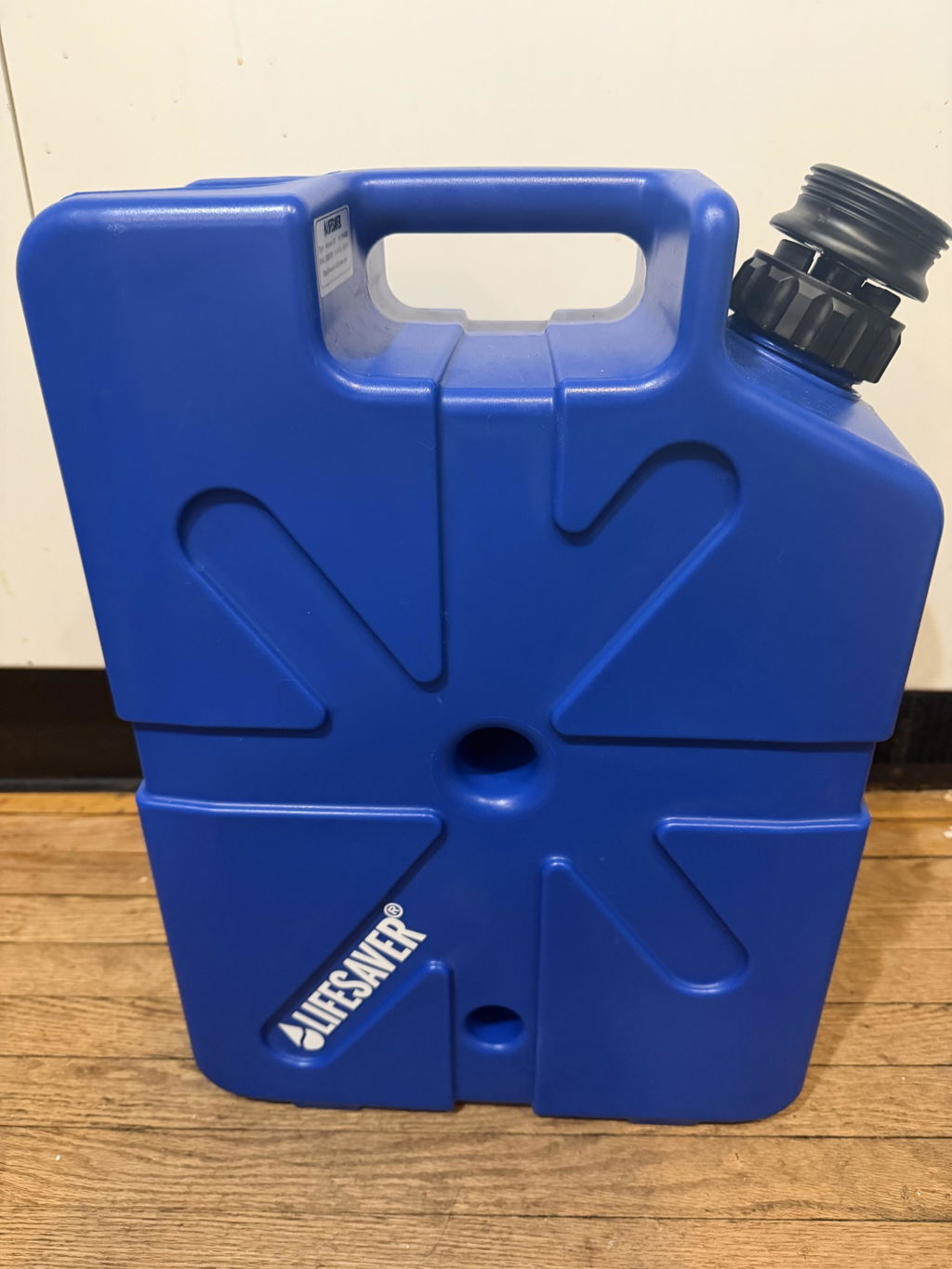
Starting with water. FEMA recommends allowing for at least one gallon per person per day for three days, but a week is more realistic if you live in a high-risk area. Stored water is simplest (although space-hungry and heavy), but backup treatment matters too, in case supplies run out or infrastructure is damaged. Many people in hurricane-prone regions now keep gravity filters, purifier bottles, or portable purification systems as redundancy. Products like the LifeSaver Water Purifiers, or standard backpacking filters, are popular because they can handle compromised water sources after flooding.
Meteorologist John Dawson regularly reviews LifeSaver products on FOX Weather and has previously recommended both the LifeSaver Cube and the Jerrycan. They don't require chemicals or power to work, and they are portable, so you can take them with you if you need to leave your home.
Food
Food should focus on things that don’t require refrigeration, don’t need much cooking, are calorie-dense, and are familiar enough that people will actually eat them under stress - especially younger children. Think:
- canned meals and soups
- protein bars
- peanut butter
- rice pouches
- dried fruit and nuts
- Don't forget baby supplies and pet food if relevant
Check that your supplies are still within their use-by date, and haven't suffered if they've been stored since last season.
Power
Power is where most people underestimate their vulnerability. A few practical upgrades make a huge difference:
- Make sure power banks are fully charged before landfall
- Include a battery lantern as well as torches
- Pack car chargers for phones
- Plenty of spare batteries - again, check that they are still usable
- A small solar panel or portable power station if outages are common in your area
If someone relies on refrigerated medication or medical devices, preparation needs to happen earlier and more deliberately.
Communication
Communication matters because networks often become overloaded rather than completely dead. Before hurricane season:
- Save offline maps - or even paper ones!
- Agree on a family check-in plan
- Keep key phone numbers written on paper
- Use text messages rather than calls during outages
- Know where the nearest local emergency shelter locations are - more than one in case the route to the closest is blocked
Evacuation Plans
Evacuation planning is often the biggest gap. People tend to improvise too late. It helps to decide beforehand where you would go, how you would get there (plan two routes in case one is blocked), at what point you'll decide to leave, and what you'll take with you - your Go Bag.
If authorities issue an evacuation order for storm surge zones, it’s usually because flooding risk has become life-threatening, not because of wind alone, so never ignore their advice.
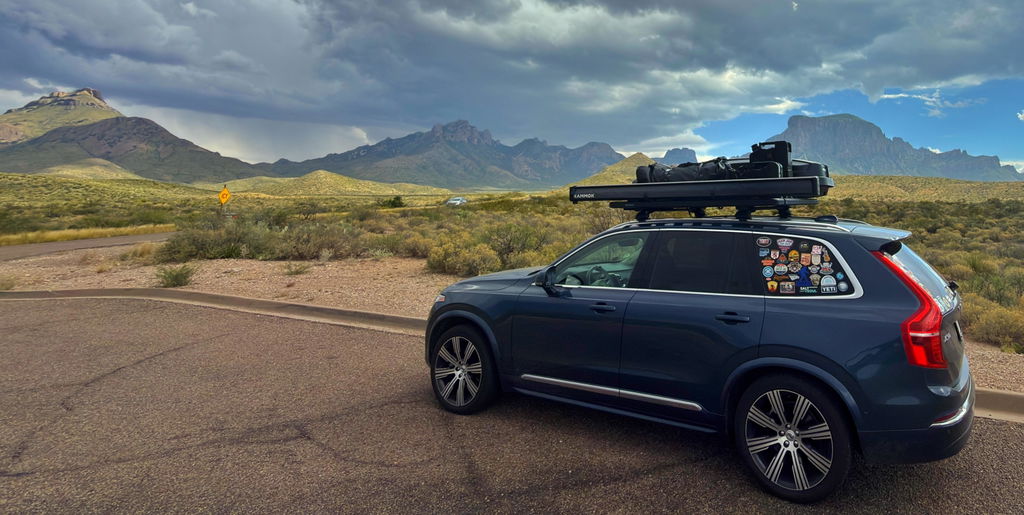
If you are lucky enough to own an RV, you already have the best emergency preparedness kit available. Provided it is well stocked with all the items listed here, it will also provide shelter and transport, and give you and your family a familiar, comfortable environment to stay in if evacuation becomes necessary. Just make sure it has a full tank of gas.
Don't panic
There's little you can do to avoid being caught in a storm - other than moving to a more temperate state - but you can make sure you are ready for whatever comes your way with a solid plan and adequate supplies. For more information on how to protect your home and ideas on what kit to have on hand, visit Florida's Hurricane Preparedness Guide.